

Call ME For All Your Plumbing and Heating Needs
Call Us For Free Estimates
How to Maintain Your Heating System for Optimal Performance: Tips from Mohanan & Every
When the cold weather sets in, the last thing any homeowner wants to experience is a heating system failure. A well-maintained heating system not only keeps you comfortable during winter but also extends the life of your furnace or boiler, reduces energy bills, and minimizes the risk of costly repairs. However, many homeowners overlook regular maintenance until a problem arises. By taking proactive steps to maintain your heating system, you can avoid unnecessary stress and ensure your home stays warm when it matters most.
In this article, we will provide valuable tips and advice on how to maintain your heating system for optimal performance. Whether you have a furnace, boiler, or another type of heating system, the guidance offered by Mohanan & Every, a trusted plumbing, heating, and air conditioning service provider in Glens Falls, NY, will help you keep your system running efficiently.
1. Regularly Replace or Clean Air Filters
One of the simplest yet most effective ways to maintain your heating system is by replacing or cleaning the air filters. Filters trap dust, dirt, and other particles from the air, preventing them from entering the system. Over time, filters can become clogged, restricting airflow and reducing the system’s efficiency.
Why It’s Important:
- Improved Airflow: Clean filters ensure that air flows freely through the system, allowing it to work more efficiently.
- Energy Savings: A clean filter reduces the strain on the heating system, leading to lower energy consumption.
- Better Indoor Air Quality: Replacing dirty filters prevents allergens, dust, and debris from circulating throughout your home.
How Often to Replace or Clean Filters:
- For furnaces, replace or clean filters every 1-3 months, depending on the type of filter and usage.
- If you have high-efficiency filters or a HEPA filter, you may need to replace them less frequently, typically every 6 months.
- In homes with pets or smokers, filters should be cleaned or replaced more often, as these conditions can cause faster buildup of debris.
2. Schedule Annual Professional Inspections
An annual inspection by a professional technician is crucial for ensuring the longevity and efficiency of your heating system. Technicians can identify potential issues before they become serious problems, helping you avoid costly emergency repairs.
Why It’s Important:
- Identify Small Problems Early: A professional inspection can uncover issues such as gas leaks, electrical problems, or wear and tear on key components.
- Improve System Efficiency: Technicians can clean key parts of the system, check for gas pressure issues, and adjust settings to ensure optimal performance.
- Safety: A technician can check for carbon monoxide leaks, which can be dangerous to your health, especially with gas-powered systems like furnaces and boilers.
What Happens During an Inspection:
- Furnace and Boiler Check-Up: Technicians will inspect your heating system for any signs of wear, replace parts if necessary, and clean vital components.
- Flue and Venting System: The flue and vents will be checked to ensure that combustion gases are safely vented outdoors.
- Thermostat Calibration: The thermostat will be calibrated for accuracy to ensure that the system is maintaining the right temperature efficiently.
3. Clean the Ductwork
Dirty or clogged ducts can significantly reduce the efficiency of your heating system. Over time, dust, dirt, and debris accumulate in the ducts, making it harder for air to flow freely through the system. This can lead to higher energy bills and an overworked heating system.
Why It’s Important:
- Improved Airflow: Clean ducts allow air to circulate more freely, reducing the load on your heating system.
- Enhanced Comfort: Proper airflow ensures that your home heats evenly and maintains a consistent temperature.
- Energy Efficiency: With clean ducts, your system doesn’t need to work as hard to maintain the desired temperature, which reduces energy consumption.
How to Clean Ductwork:
- Consider having your ducts cleaned professionally every 2-5 years, especially if you live in a dusty environment or have pets.
- If you’re noticing dust or allergens in your home, it may be time to have the ducts cleaned to improve indoor air quality and system performance.
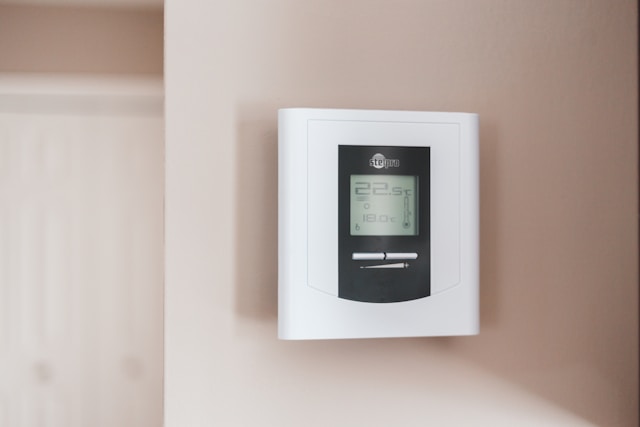
4. Check and Calibrate the Thermostat
A thermostat that isn’t calibrated correctly can lead to inefficient heating. If your thermostat is reading temperatures inaccurately, your heating system might run longer than necessary, resulting in higher energy bills.
Why It’s Important:
- Energy Efficiency: A properly calibrated thermostat ensures that your heating system runs only when needed, preventing wasteful energy use.
- Consistent Temperature Control: A well-calibrated thermostat helps maintain a consistent temperature throughout your home, ensuring comfort without overworking the heating system.
How to Check the Thermostat:
- Make sure your thermostat is set to the desired temperature and functioning properly. If your thermostat is outdated, consider upgrading to a programmable thermostat that can adjust the temperature based on your schedule.
- If your system is running longer than usual, the thermostat might be reading temperatures incorrectly. A professional technician can calibrate it to ensure accuracy.
5. Insulate the Home Properly
Proper insulation plays a crucial role in maintaining the efficiency of your heating system. Without proper insulation, heat can escape from your home, causing the heating system to work harder and consume more energy.
Why It’s Important:
- Energy Savings: Well-insulated homes retain heat better, reducing the need for your heating system to run constantly.
- Increased Comfort: Proper insulation helps maintain a consistent temperature throughout your home, preventing cold spots.
- Cost Savings: Insulating your home reduces energy loss, which lowers heating costs.
What to Insulate:
- Attic and Roof Insulation: Insulating the attic helps prevent heat from escaping through the roof.
- Walls and Floors: Ensure your walls and floors are adequately insulated, especially in areas with exposed pipes and ducts.
- Windows and Doors: Install weatherstripping around doors and windows to prevent drafts.
6. Keep the Area Around the Furnace or Boiler Clear
Ensuring the area around your furnace or boiler is free from obstructions is essential for proper airflow. Keeping this space clear allows your heating system to operate efficiently and prevents overheating.
Why It’s Important:
- Optimal Air Circulation: Clear space around the furnace or boiler ensures that air can circulate freely, allowing for better heat distribution.
- Preventing Overheating: Blocking airflow can cause the system to overheat, leading to breakdowns or potential hazards.
How to Maintain a Clear Space:
- Keep at least 2-3 feet of clearance around your furnace or boiler. Avoid storing items such as boxes, clothing, or furniture near the unit.
- Regularly check for dust and debris in the area and remove them to prevent clogs or fire hazards.
7. Lubricate Moving Parts and Check for Wear and Tear
Heating systems, especially older models, have moving parts such as motors and fans. These parts can wear down over time, leading to reduced efficiency and eventual breakdowns. Regular lubrication and inspection can help prolong the lifespan of your system.
Why It’s Important:
- Preventing Damage: Proper lubrication reduces friction and wear on moving parts, preventing early breakdowns.
- Efficient Operation: Well-lubricated parts run more smoothly, improving the overall efficiency of your heating system.
What to Do:
- Furnace Blower Motor: Lubricate the blower motor and fan assembly annually to ensure smooth operation.
- Check for Wear: Inspect belts, pulleys, and other moving parts for signs of wear or damage. Replace any worn-out components promptly.
A Simple Maintenance Schedule for Your Heating System
To make sure your heating system remains efficient and functional, it’s helpful to follow a maintenance schedule. The table below outlines a suggested timeline for regular heating system maintenance.
| Task | Frequency | Description |
|---|---|---|
| Replace/Clean Air Filters | Every 1-3 months | Replace or clean filters to ensure optimal airflow and system efficiency. |
| Professional Inspection | Annually | Have a licensed technician inspect and tune your heating system. |
| Clean Ductwork | Every 2-5 years | Schedule a professional duct cleaning to improve airflow and air quality. |
| Calibrate Thermostat | Annually or when needed | Check thermostat accuracy and recalibrate if necessary. |
| Check Furnace/Boiler Area | Monthly | Ensure the area around your furnace or boiler is clear of obstructions. |
| Lubricate Moving Parts | Annually | Lubricate moving parts like the blower motor to prevent wear and damage. |
Conclusion
Maintaining your heating system is essential for ensuring optimal performance, comfort, and energy efficiency. By following the tips provided by Mohanan & Every, you can extend the lifespan of your furnace, boiler, or heating unit, reduce energy costs, and avoid the stress of unexpected breakdowns during the coldest months.
Regular maintenance, including cleaning filters, scheduling inspections, and ensuring proper insulation, will help your heating system operate smoothly and efficiently. And, if you encounter any issues or need professional assistance, Mohanan & Every’s expert technicians are just a phone call away to help keep your heating system in top condition. Don’t wait until a small issue turns into a major problem—take proactive steps now to keep your home warm and your heating system running efficiently all year long.

